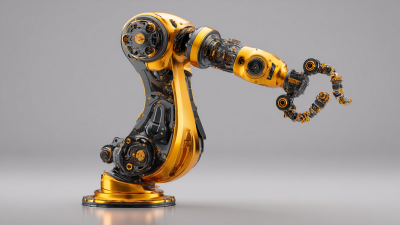
Top 10 Benefits of Using Pick And Place Robotic Arms?
The adoption of Pick And Place Robotic Arms in various industries has surged in recent years, driven by the need for automation and efficiency. According to a report by industry analysts, the global market for robotic arms is projected to reach $12 billion by 2025, reflecting a compound annual growth rate of over 30%. These robotic solutions play a crucial role in streamlining tasks like product assembly, packaging, and quality inspection, offering consistent performance without fatigue.
However, the transition to robotic arms is not without challenges. Businesses must understand the upfront costs and integration complexities. An analysis revealed that 35% of companies face issues related to training staff to work alongside these advanced systems. Despite these hurdles, the benefits of increased productivity, reduced labor costs, and enhanced precision have made Pick And Place Robotic Arms an indispensable tool in modern manufacturing.
As industries continue to evolve, leveraging these robotic arms will contribute significantly to competitive advantage. Enhancements in AI and machine learning will further optimize their capabilities. Organizations that do not embrace this technology may struggle to keep pace in an increasingly automated landscape. Thus, weighing both the potential and the obstacles is essential for a successful implementation strategy.
Understanding Pick And Place Robotic Arms and Their Functionality
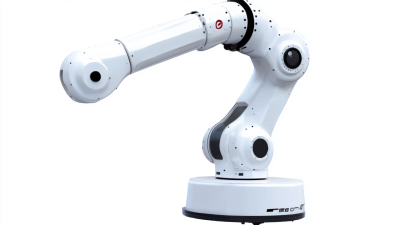
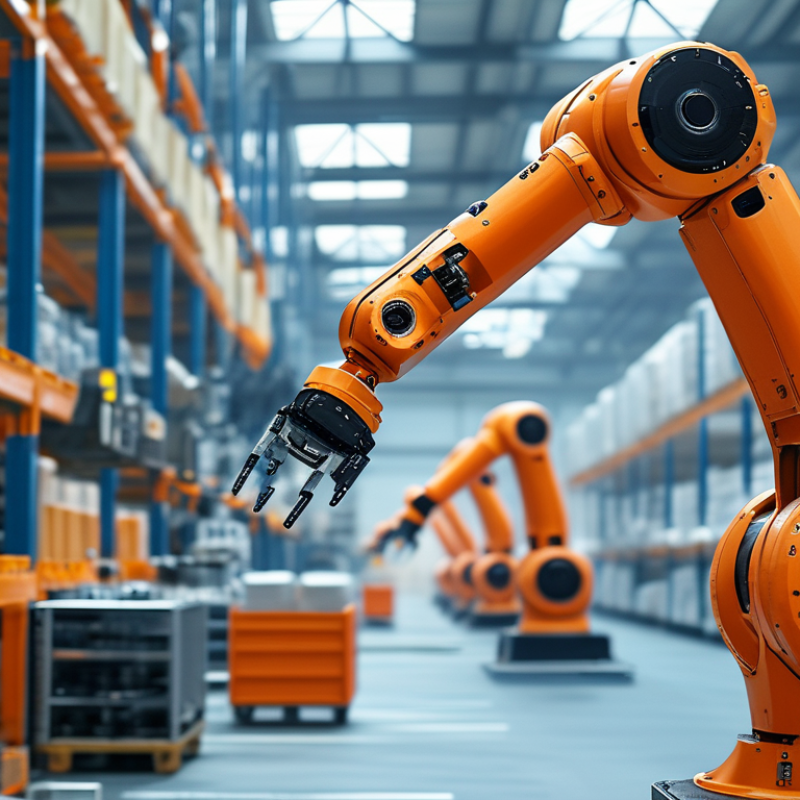
Pick and place robotic arms are revolutionizing assembly lines and manufacturing processes. These robotic systems are designed to grasp, transport, and position items efficiently. They utilize advanced sensors and AI algorithms to ensure precise movements. This technology not only speeds up production but also enhances accuracy. However, it is important to consider that not every task suits automation perfectly.
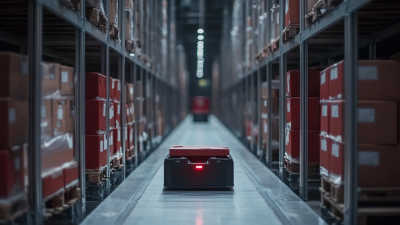
The functionality of these robotic arms is impressive. They can operate in various environments, from warehouses to assembly plants. Their adaptability allows them to handle different objects, from fragile items to heavy components. Real-time feedback from integrated sensors helps them avoid obstacles and adapt to changes. Despite their effectiveness, challenges exist. Programming these robots can be complex, and their maintenance requires skilled personnel. Understanding these factors is crucial for successful implementation.
Overall, pick and place robotic arms present numerous advantages, yet they also demand careful consideration. Their role in modern manufacturing is significant, but companies must recognize their limitations. Balancing automation with human oversight can lead to better outcomes. The evolving technology continues to present opportunities for improvement and innovation in the field.
Enhanced Efficiency in Production Processes with Robotic Arms
In today’s manufacturing environment, efficiency is key. Robotic arms enhance production processes significantly. These devices handle items with precision. They reduce human error and boost output. Tasks that took hours can now be completed in minutes. This creates a smoother workflow and higher productivity levels.
However, implementing robotic arms is not without challenges. Teams must adapt to new technologies. Training is essential to maximize their potential. Not all employees may be on board at first. There can be resistance to change. Leaders need to address concerns proactively. Open communication helps ease transitions.
Another consideration is maintenance. Robotic arms require regular upkeep. If neglected, performance can decline. This adds complexity to operations. Businesses need plans in place to ensure reliability. Balancing innovation with practical issues is crucial for long-term success.
Cost-Effectiveness of Implementing Pick And Place Technology
The cost-effectiveness of implementing pick and place technology is a significant advantage for many industries. According to a report by MarketsandMarkets, the robotics market is projected to grow from $43 billion in 2020 to $73 billion by 2026. This growth indicates how businesses are increasingly investing in automation to enhance productivity. One of the core components driving this investment is the pick and place robotic arms, known for their efficiency in performing repetitive tasks.
Implementing these robotic arms can lead to reduced labor costs. A study published by the International Federation of Robotics noted that a company could save up to 30% on labor costs when adopting this technology. Additionally, pick and place arms can operate continuously without breaks. This feature allows for higher production rates, which translates to increased operational efficiency. Companies report that these systems can reduce production cycle times by 25% or more in certain settings.
However, the initial investment can be a hurdle. The costs involved in integrating such advanced systems may discourage some businesses. It is crucial to analyze long-term savings versus upfront expenses carefully. While the technology might seem expensive, the return on investment often justifies the costs when done right. Many companies have shared experiences highlighting a learning curve during implementation. Success depends on proper training and system integration, which can take time to optimize.
Improved Accuracy and Precision in Assembly Tasks
In modern manufacturing, precision is key. Pick and place robotic arms significantly enhance accuracy in assembly tasks. These robots can achieve precision levels of ±0.01 mm, which is crucial for intricate components. According to a recent report from the International Federation of Robotics, increased automation can improve overall production accuracy by over 30%. This statistic underscores the importance of adopting high-precision technologies in assembly.
The ability of robotic arms to execute repetitive tasks without fatigue contributes to their effectiveness. Studies show that human workers typically experience a 10-20% decrease in accuracy over extended periods. Robots, conversely, maintain consistent performance, directly impacting production quality. Still, there's room for improvement. The programming of these arms requires ongoing adjustments, which can lead to initial errors in operation. Addressing such challenges is essential for optimizing efficiency. Manufacturers must invest in training to ensure proper setup and calibration of these systems.
Real-world applications reveal fascinating results. In electronics assembly, for example, robotic arms have reduced defects in soldering processes by 40%. However, some industries still face reluctance in fully integrating this technology largely due to initial costs. The benefits, though clear, require careful planning and assessment to avoid setbacks during implementation.
Top 10 Benefits of Using Pick And Place Robotic Arms
| Benefit |
Description |
Impact on Assembly Tasks |
| Improved Accuracy |
Robotic arms perform tasks with minimal deviation from the desired path. |
Reduces errors in assembly processes, improving product quality. |
| Increased Speed |
Robotic arms can operate faster than human workers, especially in repetitive tasks. |
Enhances productivity and throughput in production lines. |
| Consistency |
Provides uniform output for repetitive tasks without fatigue. |
Ensures high quality and adherence to standards over long periods. |
| Flexibility |
Can be programmed for various tasks and adapted to different products. |
Allows quick reconfiguration of production lines to meet changing demands. |
| Reduced Labor Costs |
Minimizes the need for manual labor in routine tasks. |
Lowers operational costs and reallocates human resources to more skilled tasks. |
| Enhanced Safety |
Reduces the risk of workplace accidents by taking over dangerous tasks. |
Creates a safer working environment for employees. |
| Integration with AI |
Can be combined with AI technologies for improved decision-making. |
Enhances the efficiency of processes through smart automation. |
| Data Collection |
Facilitates the collection of data during production. |
Provides insights for process improvements and quality control. |
| Space Efficiency |
Requires less floor space compared to human workstations. |
Optimizes layout and utilization of manufacturing space. |
| Easier Training |
Robots can be programmed quickly, requiring less onboarding time. |
Speeds up the production ramp-up period for new products. |
Flexibility and Adaptability of Robotic Arms in Various Industries
Robotic arms offer remarkable flexibility in various industries. They can handle different tasks, from assembly to packaging. These arms adapt to specific requirements without extensive reprogramming. This capability allows businesses to adjust quickly to changing demands.
In a manufacturing setting, robotic arms excel in repetitive tasks. They enhance efficiency without sacrificing precision. In food production, they ensure consistency, handling delicate items with care. Such versatility minimizes errors and boosts productivity. However, integration can be complex. Companies must consider training and workflow adjustments.
Customization plays a significant role in their effectiveness. Various end-of-arm tools can be attached to meet specific applications. This adaptability makes robotic arms valuable in sectors like healthcare and logistics. Yet, relying too heavily on automation may raise concerns about workforce displacement. As industries evolve, the balance between human workers and robotics needs careful consideration.