What is Plastic Injection Mold and How Does It Work?
Plastic Injection Mold is a crucial component in modern manufacturing. It allows for the mass production of plastic parts with high precision. According to industry reports, the global plastic injection molding market is projected to reach $450 billion by 2027. This growth indicates its importance across various sectors, including automotive, electronics, and consumer goods.
The process begins with melting plastic granules. These granules are injected into a mold under high pressure. The mold cools and solidifies the plastic into the desired shape. However, there are challenges. Issues like uneven temperature can lead to defects in the final product. Inadequate mold design causes production delays and increased costs.
The efficiency of Plastic Injection Mold affects the entire manufacturing cycle. Optimizing the design and material choice is critical for quality control. Yet, even with advanced technology, achieving perfection remains elusive. Continuous improvement is necessary to meet the growing demands of various industries.
Definition and Overview of Plastic Injection Molding Technology
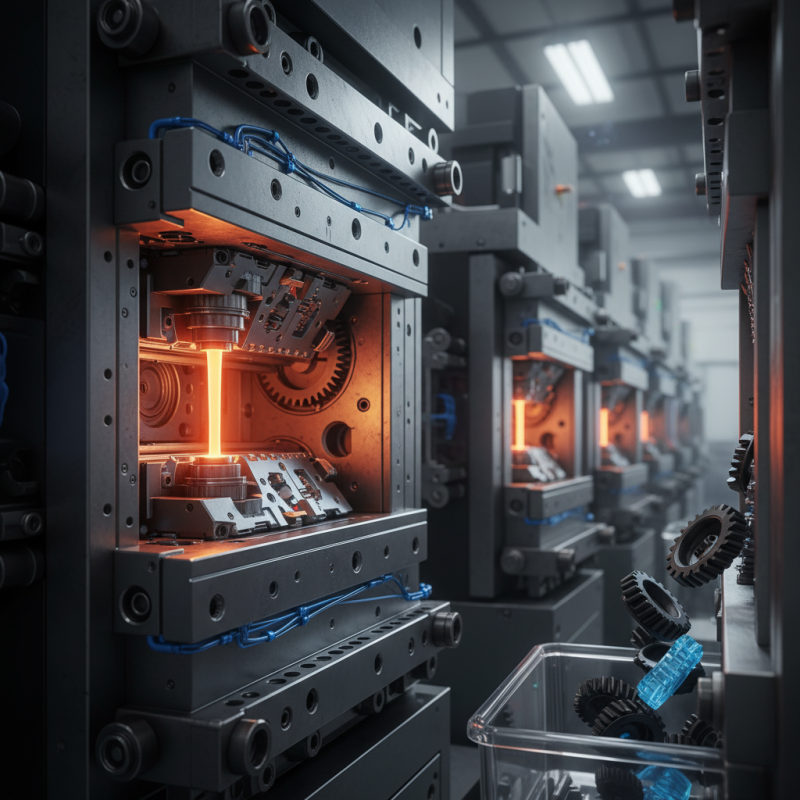
Plastic injection molding is a widely used manufacturing process that creates plastic parts. At its core, it involves injecting molten plastic into a mold cavity. This method allows for the production of complex shapes with high precision. The process begins with heating plastic pellets until they melt. Then, this liquid plastic is injected into a mold. After cooling, the mold is opened, and the finished part is ejected.
One of the key advantages of this technology is its efficiency. Parts can be produced quickly and in large quantities. However, achieving perfection can be challenging. Molds must be carefully designed to avoid defects. Small mistakes in the mold's design may lead to imperfections in the final product. For instance, air traps or inconsistent wall thickness can affect quality.
While injection molding can produce intricate designs, it also demands careful monitoring throughout production. Minor adjustments can often make a significant difference. Designers and engineers continuously strive to enhance the process. By learning from previous errors, they improve both the molds and the parts. This pursuit of excellence is vital in a competitive industry.
Key Components of a Plastic Injection Mold: Parts and Materials
A plastic injection mold is a complex tool used to shape plastic into desired forms. Understanding its key components is essential for anyone in the manufacturing field. The mold itself consists of several vital parts, each playing a significant role in the injection process.
The primary components include the core and cavity. The core shapes the internal features of the product, while the cavity forms the outer surfaces. These components are typically made from high-quality steel or aluminum, chosen for their durability and resistance to wear. Additionally, mold bases support the core and cavity, ensuring they are properly aligned during injection. Cooling channels are integrated into the mold to regulate temperature, which is crucial for maintaining the quality of the final product.
Tips: Ensure your molds have adequate cooling systems. This can significantly reduce cycle times and enhance efficiency. Keep an eye on wear and tear in your molds. Regular maintenance can prevent costly downtime. Understanding the materials used in your molds can also impact production quality. Different plastics require different mold specifications.
The Injection Molding Process: Step-by-Step Breakdown of Operations
The injection molding process is intricate yet fascinating. It involves several key steps to transform raw plastic into finished products. The process begins with material preparation. Plastic pellets are heated until they melt. This step is crucial because the temperature must be precise to ensure proper flow.
Next, melted plastic is injected into a mold under high pressure. This stage is where precision matters. Data reveals that a well-designed mold can improve cycle times by up to 20%. After the plastic cools, the mold opens, and the part is ejected. This sounds simple but requires careful calibration. Often, parts may not release easily, leading to defects.
Though injection molding is efficient, it’s not without challenges. The setup time for molds can be extensive. Reports indicate this can take up to several weeks to finalize. Additionally, maintaining mold quality is vital. Wear and tear can create inconsistencies in production. Unchecked defects can lead to increased waste and costs. Awareness of these issues can drive improvements in design and operation functions.
Applications of Plastic Injection Molding in Various Industries
Plastic injection molding plays a crucial role across various industries. From automotive to consumer goods, its versatility is unmatched. This technique allows for the mass production of complex shapes with high precision. Parts are created quickly, reducing downtime for manufacturers. Each industry benefits in unique ways.
In the automotive sector, for instance, lightweight plastic components enhance fuel efficiency. These parts are also durable, which is essential for safety applications. Molded parts can include everything from dashboards to exterior trim pieces. In electronics, injection-molded casings protect delicate components. Custom designs can meet specific functional requirements, which is vital.
**Tips:** When considering plastic injection molding, think about design complexity. It can impact cost and production time. Also, keep in mind that quality control is crucial. Any defects can lead to large losses. Lastly, choosing the right material is key. It influences durability and performance.
In consumer goods, the ability to create elaborate designs quickly is beneficial. Kitchen gadgets and toys often rely on this process. Functional prototypes can be tested before large-scale production, reducing risks. However, the initial costs can be high, and designs may need revisions. This iterative process can be frustrating but is often necessary.
What is Plastic Injection Mold and How Does It Work? - Applications of Plastic Injection Molding in Various Industries
| Industry | Applications | Material Used | Production Volume | Advantages |
| Automotive | Bumpers, dashboards, interior parts | ABS, polycarbonate | High volume, mass production | Cost-effective, tolerances, complex shapes |
| Consumer Goods | Toys, kitchenware, packaging | PP, PET, PVC | High volume, quick turnaround | Design flexibility, repeatability |
| Healthcare | Medical devices, surgical instruments | Polypropylene, medical-grade silicone | Customized, sterile production | Precision, safety standards |
| Electronics | Casing for devices, connectors | Polycarbonate, nylon | High volume, high precision | Durability, lightweight |
| Construction | Pipes, fittings, insulation | PVC, HDPE | Continuous production | Cost-effective, long-lasting |
Advantages and Challenges of Using Plastic Injection Molding Techniques
Plastic injection molding is a popular technique for creating a variety of products. It offers many advantages, but also comes with its own set of challenges. One major advantage is efficiency. This method allows for mass production of identical parts in a short time. The precision in shaping leads to minimal waste of materials, which is beneficial for the environment.
However, challenges exist. The initial cost of creating molds can be high. This may deter smaller businesses from using this technique. Additionally, the process requires skilled labor for maintenance and operation. If not managed properly, production delays can occur. These issues highlight the need for careful planning and investment in training.
Quality control is another important factor. Variations in temperature during the injection process can lead to defects. These might affect the final product's strength or appearance. Continuous monitoring is essential to ensure consistency. Balancing cost, speed, and quality remains a critical challenge in this field.