How to Choose the Best Lamination Machine for Your Needs?
Choosing the right Lamination Machine is crucial for businesses that prioritize quality and efficiency. In recent years, market research indicates a significant rise in demand for lamination machines. The global laminating equipment market is expected to grow at a compound annual growth rate (CAGR) of 5.4% between 2021 and 2026. This growth highlights the importance of selecting a machine that meets specific needs.
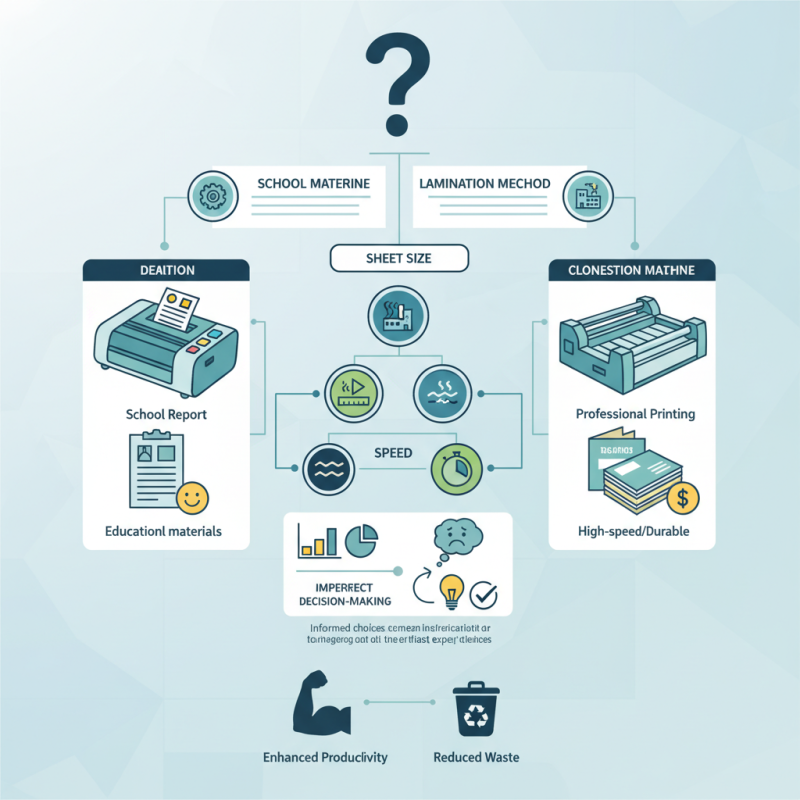
When selecting a Lamination Machine, one must consider various factors such as sheet size, laminating method, and speed. Different industries have unique requirements. For example, a school may need a user-friendly model for educational materials, while a professional printing service could require high-speed, durable options. Each choice carries implications for cost and output quality.
Engaging with real-world data can sometimes lead to imperfect decision-making. Some users find their machines underperforming or unsuitable for their tasks. Reflecting on past experiences allows businesses to make informed choices. Choosing wisely can enhance productivity and reduce waste in the lamination process.
Understanding Different Types of Lamination Machines and Their Applications
Lamination machines come in various types, each designed for specific applications. Hot lamination machines use heat and pressure to seal documents. This method provides durability but may damage heat-sensitive materials. Cold lamination machines, conversely, apply adhesive without heat. They are safer for delicate items but may not offer the same level of protection.
When choosing a lamination machine, consider the thickness and type of materials you'll be using. According to industry data, over 60% of users prefer machines that cater to different film thicknesses. Flexibility in lamination allows for a wider range of products, from ID cards to posters. It’s essential to evaluate the entry-level specifications, as some machines can only handle standard sizes.
Tips: Always check the warranty and service options. A machine that offers extended service can save costs in the long run. Think about the frequency of use. If you plan to laminate frequently, investing in a higher-end machine may be wise. Finally, research user reviews. Some machines might not perform as promised, leaving users frustrated. Keep the possibility of returning the unit in mind if it doesn't meet expectations.
Key Features to Consider When Choosing a Lamination Machine
When selecting a lamination machine, consider key features that will meet your specific needs. Think about the type of items you want to laminate. Different machines cater to specific materials, like ID cards or documents. A wide-entry machine can handle larger sheets, while a compact model works for smaller projects.
Tip: Test the thickness compatibility. Many machines handle different millimeters, but it's crucial to check specifications. Some machines may jam with thicker materials.
Another feature to ponder is speed. Machines vary significantly in lamination speed. Faster machines save time but may compromise quality. If you only laminate occasionally, a slower model may suffice. However, for frequent use, a faster option might be worth the investment.
Tip: Evaluate the temperature settings. Some machines have adjustable temperatures for varying materials. Getting it wrong can lead to warped or damaged items.
Lastly, consider the ease of use and maintenance. Machines with user-friendly controls can simplify operations. Look for one that’s easy to clean and maintain. This can affect your long-term satisfaction. A complex machine might lead to frustration.
Tip: Read user reviews. Real-world experiences often uncover issues that specifications don’t reveal.
Analyzing Cost vs. Quality: Budgeting for Your Lamination Needs
When considering a lamination machine, evaluating cost versus quality is crucial. A recent industry report indicates that mid-range lamination machines offer a 20% higher efficiency than budget options. However, they may cost around 30% more upfront. It’s essential to weigh your budget against expected longevity and performance.
**Tips:** Look for machines with at least a 1-year warranty. This often signifies a commitment to quality. Pay attention to user reviews that discuss the longevity of parts. Machines under heavy usage might require replacements sooner than expected.
Many choose budget options, thinking it saves money. However, cheaper models often result in higher material waste. If the lamination doesn’t adhere well, you might end up losing time and resources. Consider how often you'll use the machine. If it's for occasional projects, a lower-cost model might suffice. But for regular usage, investing more could lead to significant savings in the long run.
Industry-Specific Recommendations for Lamination Machine Selection
When choosing a lamination machine, consider your specific industry needs. Different sectors have unique requirements. For instance, schools might prioritize durability and user-friendliness. In contrast, graphic design firms may need high-quality finishes and speed. Understanding these variables is essential for making an informed choice.
Look at the features that really matter to you. If you’re in a busy office, a fast lamination speed can save time. However, for low-volume projects, a compact machine might suffice. Don't ignore maintenance costs. A cheaper machine may have higher operational expenses over time. Equipment that requires frequent repairs can become a burden.
Consider the size of materials you'll be laminating. Larger formats may demand more specialized machines. Nevertheless, some users find that large machines take up too much space. Think critically about your workspace. Do you have the room? This question often gets overlooked, yet it’s crucial for efficient operation. Balancing these details will guide you toward a lamination solution that meets your needs.
Maintenance Tips to Extend the Life of Your Lamination Machine
To keep your lamination machine running smoothly, regular maintenance is essential. Start with cleaning the machine after each use. Dust and debris can accumulate, causing jams. Use a soft cloth and mild cleaner to wipe down the surfaces. Pay special attention to the rollers. These are critical for proper lamination. Make it a habit to check for any residue that could affect performance.
Another important factor is temperature control. Overheating can shorten the lifespan of the machine. Always follow the recommended settings. If you notice any unusual sounds or smells during operation, shut it down immediately. Delaying could lead to more extensive damage.
Don’t forget about the blades and trimmers. They need to be sharp for clean cuts. Dull blades can lead to uneven edges and frustration. Replacing them promptly is a good practice. Document your maintenance routine. This helps identify patterns or recurring issues. Reflect on your process. Is there anything you can improve upon? Regular care can keep your lamination machine efficient and effective.
How to Choose the Best Lamination Machine for Your Needs? - Maintenance Tips to Extend the Life of Your Lamination Machine
| Feature | Description | Maintenance Tips |
| Lamination Type | Cold or hot lamination depending on the material. | Choose the right type for your needs to avoid damage. |
| Sheet Capacity | Number of sheets it can laminate simultaneously. | Avoid overloading to extend machine life. |
| Roller Type | Silicone or metal rollers. | Clean rollers regularly to maintain performance. |
| Heat Settings | Adjustable temperature control for different materials. | Check and calibrate settings for consistent results. |
| Fan Cooling | A built-in fan helps to cool down the machine. | Ensure the fan is functioning to avoid overheating. |
| Warranty | Length and coverage of manufacturer's warranty. | Understand warranty terms for better service. |